 1-888-482-2880
 Proudly Canadian
Understand Furnace Costs
See How Equipment, Efficiency, Sizing And Installation Affect Your Total Cost.
Compare Furnace Costs, Sizing, Efficiency And Installation Choices For Ontario Homes — Then Choose With Confidence.
Explore The Guide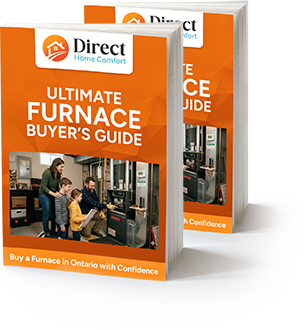 Compare Furnace Options, Costs And Installation.
Sized For Your Home And Built For Ontario Winters.
Compare Furnace Options, Costs And Installation.
Sized For Your Home And Built For Ontario Winters.
Compare The Decisions That Shape Heating Comfort, Energy Use And Your Total Cost.
See How Equipment, Efficiency, Sizing And Installation Affect Your Total Cost.
Compare Single-Stage, Two-Stage And Variable-Speed Furnaces For Ontario Homes.
Learn Why A Professional Heat-Load Calculation Matters More Than Square Footage Alone.
Explore Cost, AFUE Efficiency, Sizing, Furnace Types And When Replacement Makes Sense.
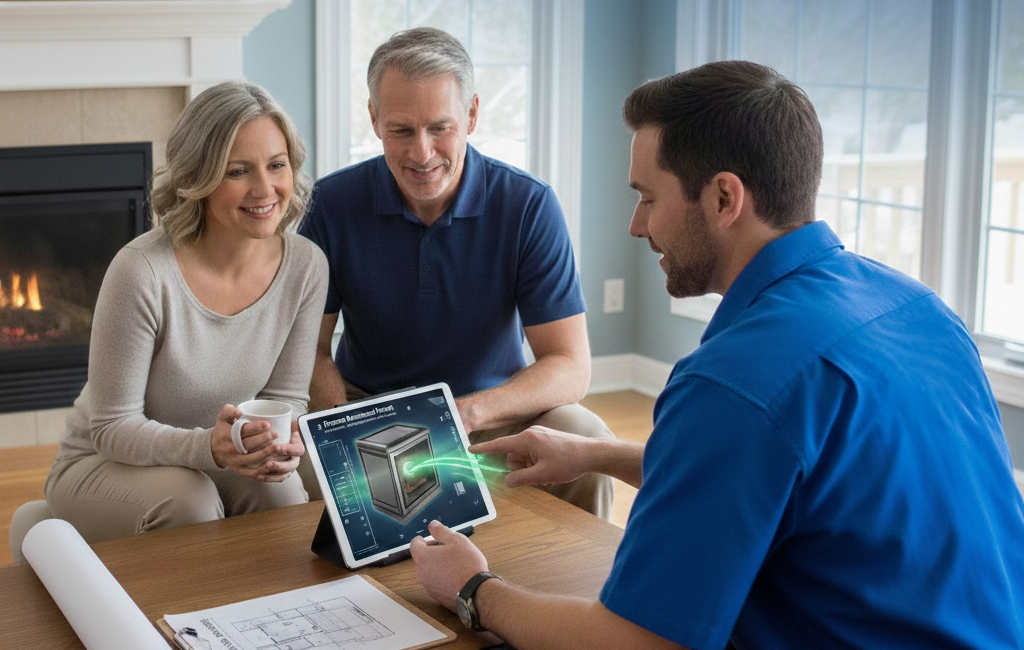

Compare Equipment And Installation Costs Alongside Long-Term Operating Costs.
 AFUE
AFUE
Compare AFUE Ratings, Energy Use And Long-Term Heating Costs.
 SIZING
Learn Why Correct BTU Sizing And Heat-Load Calculations Matter.
 TYPES
TYPES
Compare Single-Stage, Two-Stage And Variable-Speed Furnace Systems.
 REPAIR
Compare Furnace Age, Repair Cost, Efficiency And Long-Term Value.
Premium Equipment From Trusted Manufacturers.



Use The Guide To Compare Furnace Performance, Total Cost And Installation Requirements.
Compare Single-Stage, Two-Stage And Variable-Speed Furnace Systems For Your Home.
Your Home, Insulation, Windows, Layout And Heat Load Determine Proper Furnace Size.
Compare AFUE Ratings, Energy Use And Long-Term Heating Costs For Your Home.
Compare Equipment, Installation Requirements And Long-Term Operating Costs.
Know What To Expect From Professional Furnace Installation And Setup In Your Home.
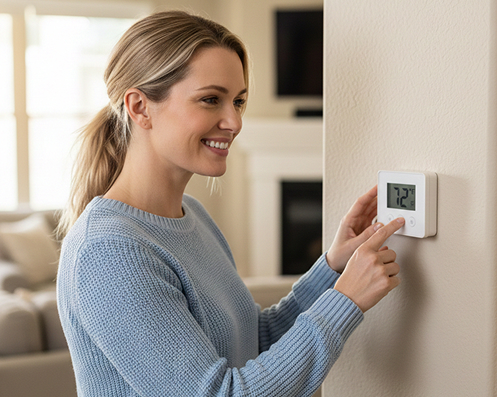
Explore A Lower-Upfront-Cost Path To High-Efficiency Heating With Service And Support Options Available.
Straight Answers To The Questions Ontario Homeowners Ask Most.
A new furnace quote depends on equipment, efficiency, system size and the work needed to install it safely in your home. Compare the full installed price and expected operating costs before choosing a system.
Most furnaces last approximately 15 to 20 years depending on maintenance and usage. Frequent breakdowns, rising energy bills, uneven heating or unusual noises can indicate that replacement should be considered.
Installation cost depends on the furnace, your home layout and any required system adjustments. Direct Home Comfort provides an all-inclusive quote outlining the furnace, professional installation and applicable ductwork adjustments before work begins.
Correct sizing depends on more than square footage. Home insulation, air sealing, windows and doors, layout and Ontario winter conditions all affect the heating requirement. A Home Comfort Advisor can assess these factors during an in-home consultation.
Furnace installation involves gas, electrical and ductwork systems. The DHC furnace guide recommends professional installation by licensed HVAC technicians for safety, correct operation and warranty protection.
A furnace draws in cooler return air, heats it through the furnace heat exchanger and distributes warm air through the home’s duct system. Modern systems can use high-efficiency motors and staged operation to improve comfort and energy performance.
Tell Us About Your Home And We’ll Help You Compare Equipment, Installation And Payment Options.



Ontario’s Furnace Buying & HVAC Experts

Licensed & Certified HVAC Professionals

Current Furnace Prices
Buying a new furnace in Ontario is one of the most important home comfort decisions you’ll make. With cold winters, rising energy costs, and evolving efficiency standards, choosing the right high-efficiency furnace requires more than just comparing prices. This guide covers furnace costs, sizing, efficiency ratings, furnace types, and installation considerations so you can make a confident, informed decision.
The average cost of a new furnace installation in Ontario typically ranges between $3,500 and $7,500+ installed, depending on:
While lower-cost furnaces may seem attractive, long-term energy efficiency and proper installation quality are what truly determine lifetime value.
Choosing the right furnace type directly affects your comfort and energy bills.
We break down the three most common systems:
For most Ontario homes, two-stage and variable-speed furnaces provide the best balance of performance and savings.
Proper furnace sizing is critical. An oversized furnace will short cycle and waste energy. An undersized furnace will struggle during extreme cold.
Sizing depends on:
A professional heat load calculation ensures your new furnace performs efficiently and reliably throughout Ontario winters.
AFUE (Annual Fuel Utilization Efficiency) measures how efficiently a furnace converts fuel into usable heat.
In Ontario’s climate, most homeowners choose 95%+ high-efficiency furnaces for reduced heating bills and improved comfort.
You may want to consider furnace replacement if:
Sometimes a furnace repair makes sense — other times replacement offers better long-term savings.
Depending on the year and available programs, homeowners may qualify for:
Rebates can significantly reduce the cost of upgrading to a high-efficiency heating system.
Even the best furnace can fail if installed improperly. Look for:
Installation quality directly impacts efficiency, safety, and system lifespan.
Before buying a new furnace in Ontario, it’s important to understand how a furnace works, what components matter most, and when replacement makes more sense than repair. The more you understand your heating system, the more confidently you can choose the right upgrade.
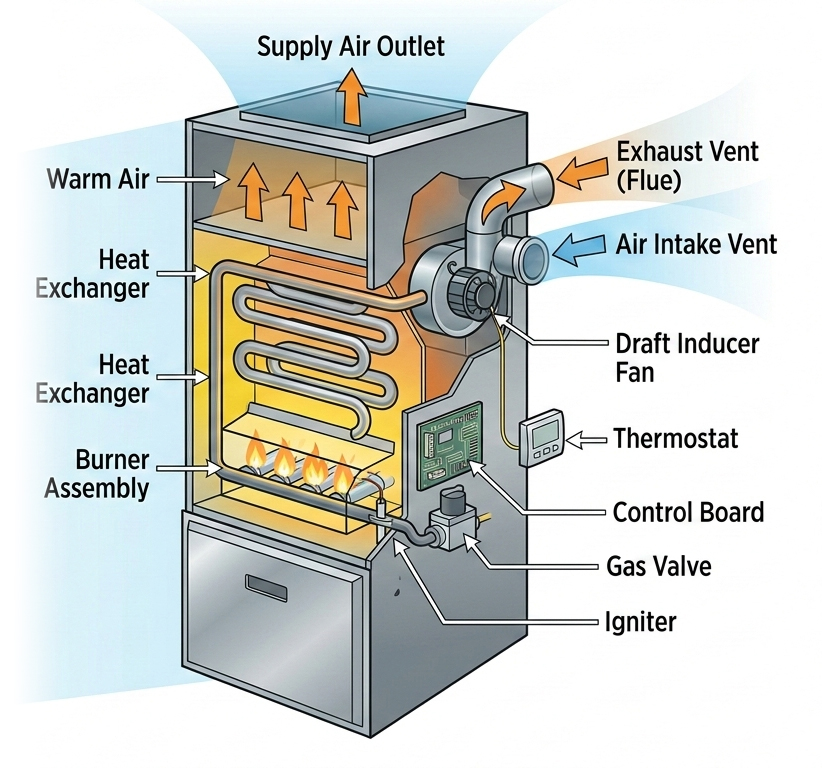
A furnace produces heat by burning fuel (natural gas, propane, oil) or using electricity, then distributes that heat throughout your home using a blower fan and duct system.
Here’s how a typical natural gas furnace operates:
This continuous cycle keeps your home warm during Ontario’s cold winter months.

Most modern high-efficiency furnaces include:
If any of these components fail, you may need furnace repair or potentially furnace replacement.
Replacing a furnace is a significant investment — but waiting too long can increase long-term costs.
You should consider furnace replacement in Ontario if:
Older furnaces often operate at lower efficiency (80% AFUE), while modern systems reach 95–98% AFUE, significantly lowering heating costs.
If repair costs exceed 30–50% of the cost of a new system — especially on older units — upgrading to a high-efficiency furnace often makes better long-term financial sense.
A licensed HVAC professional can assess:
Knowing how your furnace works helps you:
A properly installed, correctly sized high-efficiency furnace delivers consistent comfort, lower heating bills, and dependable performance through Ontario winters.
Deciding between furnace repair and furnace replacement in Ontario can save — or cost — you thousands over time. The right decision depends on your system’s age, condition, efficiency, and long-term operating costs.
Here’s a simple decision framework:
Consider professional furnace repair if:

Licensed & Insured Technicians

TSSA & ESA Certified Installers
In many cases, repairing a newer furnace restores performance at a fraction of the cost of replacement.
You should strongly consider furnace replacement if:
In older systems, repair costs can quickly add up. A new high-efficiency furnace often reduces energy bills and improves reliability long term.
Watch for these common red flags:
A licensed HVAC professional can evaluate the true long-term cost of repair vs replacement, helping you make a financially sound decision.
Upgrading to a high-efficiency furnace in Ontario may qualify you for valuable savings through available rebate programs.
Homeowners may qualify for:
These incentives can significantly reduce your upfront installation cost.
Rebate programs change frequently. Always confirm eligibility and current availability before purchasing your new furnace.
Selecting the right furnace in Ontario starts with understanding your home’s heating demands, climate conditions, and long-term efficiency goals. Ontario winters are long and cold, which means proper sizing, efficiency ratings and installation quality directly impact your comfort and energy costs. Buying the right furnace isn’t about guesswork. It’s about data, climate, and professional evaluation.
Ontario’s climate plays a major role in selecting the right heating system. Your furnace must handle:
A properly selected high-efficiency furnace (95%+ AFUE) ensures consistent warmth without excessive energy waste during peak cold months.
Your home’s structure significantly impacts furnace performance. Key factors include:
Larger homes require greater heating capacity, but insulation quality and airflow design often matter more than square footage alone.
An improperly sized furnace leads to wasted energy, uneven heating, and higher maintenance costs.
A general rule of thumb is:
1 square foot of living space ≈ 30 BTUs
For example:
⚠ However, this is only a rough estimate.
Professional HVAC technicians use a Manual J heat load calculation to determine the exact heating requirement for your home. This calculation considers:
A professional heating load assessment ensures your furnace is neither oversized nor undersized, thus protecting efficiency and guaranteeing longevity.
When upgrading your furnace, energy efficiency should be a top priority. Higher efficiency reduces:
Modern furnaces are designed to extract more usable heat from every unit of fuel burned.
AFUE measures how efficiently a furnace converts fuel into usable heat.
A high-efficiency furnace typically offers 90–98% AFUE ratings, making it ideal for Ontario’s demanding climate.
Below are typical AFUE ranges:
| Furnace Type | Average AFUE Rating |
|---|---|
| Natural Gas | 90-98% |
| Electric | 95-100% |
| Propane | 90-98% |
Higher AFUE ratings mean lower energy waste and reduced heating costs.
An ENERGY STAR® furnace meets strict efficiency guidelines set by energy authorities. Choosing ENERGY STAR equipment:
For environmentally conscious homeowners, upgrading to an ENERGY STAR-rated system is a smart long-term investment.
Choosing the right furnace type directly impacts your home comfort, energy efficiency, heating costs, and long-term performance. Understanding the differences between single-stage furnaces, two-stage furnaces, and variable-speed furnaces helps you select the ideal system for Ontario’s cold winters.
A single-stage furnace operates at one fixed heating level — it’s either fully on or completely off.
Best For: Budget-conscious homeowners or smaller homes.
Key Benefits:
Considerations:
A single-stage system provides dependable heat, but it does not offer the comfort refinement of higher-efficiency options.
A two-stage furnace operates at two heating levels: low and high. It runs on low Most of the time it runs on the lower setting for steady comfort, switching to high only during colder Ontario temperatures.
Best For: Most Ontario homes seeking a balance of comfort and efficiency.
Key Benefits:
A two-stage system offers smoother, more balanced heating performance and is often the most popular upgrade from a single-stage furnace, delivering improved comfort, efficiency, quieter operation, and better temperature stability.
A variable-speed furnace continuously adjusts its heating output to match your home’s exact needs, providing consistent comfort and improved energy efficiency year-round.
Best For: Homeowners wanting maximum comfort, efficiency, and quiet performance.
Key Benefits:
Variable-speed furnaces provide superior comfort and handle Ontario’s long, cold winters with consistent, quiet heating performance.
For most Ontario homeowners, two-stage or variable-speed furnaces offer the best combination of:
Energy Efficiency

Lower Heating Bills

Consistent Comfort

Reduced
Noise
Long-Term Reliability
The right choice depends on your home’s size, insulation levels, and heating demands — but investing in higher efficiency typically pays off over time.
Understanding the differences between single-stage furnaces, two-stage furnaces, and variable-speed furnaces makes it easier to choose the right high-efficiency heating system for your Ontario home.
Below is a clear comparison of comfort, efficiency, noise, and long-term value.
| Feature | Single-Stage Furnace | Two-Stage Furnace | Variable-Speed Furnace |
|---|---|---|---|
| Heating Operation | One speed (On/Off only) | Two levels (Low & High) | Continuously adjusts output |
| Energy Efficiency | Standard (80–95% AFUE) | High (90–96% AFUE) | Highest (95–98%+ AFUE) |
| Temperature Control | Basic | More consistent | Precise, even heating |
| Noise Level | Moderate | Quieter | Ultra-quiet |
| Comfort Level | Good | Very Good | Maximum Comfort |
| Indoor Air Quality Support | Basic filtration | Improved airflow | Best airflow & filtration compatibility |
| Upfront Cost | Lowest | Moderate | Highest |
| Long-Term Energy Savings | Lower | Better | Best |
| Best For | Budget upgrades | Most Ontario homes | Premium performance homes |
For most Ontario homeowners, a two-stage furnace offers the best balance of:
Energy
Efficiency

Affordable Upfront
Investment

Improved
Comfort

Quieter
Operation
However, if you want the absolute best performance, lowest long-term energy costs, and superior comfort during harsh Ontario winters, a variable-speed furnace is the premium choice.
One way to determine which furnace is right for your home is by considering your desired efficiency rating. Efficiency will affect the price and performance of the unit. The higher a furnace’s AFUE rating (Annual Fuel Utilization Efficiency), the more efficiently it will operate saving you money over the life of the furnace, but then these will also generally be more expensive upfront.
AFUE (Annual Fuel Utilization Efficiency) measures how efficiently a furnace converts fuel into usable heat. It represents the percentage of fuel that becomes heat for your home versus energy lost during the combustion process.
In Canada, natural gas furnaces must meet high-efficiency standards with an AFUE rating of 90% or higher. Many modern systems operate between 95% and 96.5% efficiency, while premium models can reach 98–99% AFUE for maximum energy savings and improved heating performance.
When comparing furnaces, remember that efficiency can gradually decline over time due to aging components, dust buildup, clogged filters, or neglected maintenance. Keeping your system clean and properly serviced helps maintain peak performance.
Scheduling annual furnace maintenance with a licensed HVAC technician ensures your system operates safely, efficiently, and reliably throughout its lifespan.
Beyond efficiency ratings, another important factor when choosing a furnace is the type of blower motor and fan speed technology used in the system. Furnace models are commonly grouped into three tiers based on how the heating system operates.
Single-stage furnaces operate at one fixed heating level and turn fully on or off when heat is needed.
Two-stage furnaces run at a lower heating output most of the time and increase power during colder conditions.
Variable-speed furnaces continuously adjust airflow and heating output to maintain steady temperatures and improved comfort.
Modern furnace regulations in Canada require new systems to include multi-stage or variable-speed blower technology, helping improve energy efficiency and airflow performance.
Choosing the right furnace tier can improve comfort consistency, noise reduction, and energy efficiency, especially during Ontario’s long winter heating season.
Single-stage furnace fans operate at one fixed speed. The system turns fully on when heat is needed and shuts off once the thermostat temperature is reached.
This design is simple and reliable but offers less precise temperature control compared to more advanced furnace models.
Single-stage systems can still heat a home effectively, but they often produce larger temperature swings and slightly higher energy usage than multi-stage or variable-speed systems.
Multi-stage furnaces operate at multiple heating levels, typically running on a lower setting most of the time and increasing output when outdoor temperatures drop.
This allows the furnace to maintain more consistent indoor temperatures and reduce the frequent on-and-off cycling seen in single-stage systems.
Multi-stage systems offer improved comfort, better energy efficiency, quieter operation, and stable airflow while helping extend the lifespan of furnace components.
Variable-stage furnaces continuously adjust heating output and blower speed to match your home’s exact heating needs.
Instead of switching between fixed levels, the system gradually increases or decreases airflow to maintain steady indoor temperatures and maximize efficiency.
This technology provides the most precise comfort control, quieter performance, and improved energy efficiency — making it ideal for handling Ontario’s long heating seasons.
Bigger Is NOT Better When It Comes to Furnace Size
Choosing the correct furnace size is one of the most important decisions in your furnace buying journey. An improperly sized system can waste energy, reduce comfort, and shorten the lifespan of your heating equipment.
Proper furnace sizing in Ontario requires more than guessing based on square footage — it requires a professional heat load calculation.
An oversized furnace may seem powerful, but it creates serious long-term problems:
Oversizing is one of the most common furnace installation mistakes, leading to inefficiency, short cycling, uneven heating, higher costs overall.
An undersized furnace struggles to keep up during cold Ontario winters.
An undersized furnace often fails during peak winter demand, struggling to maintain consistent indoor temperatures during extreme cold weather conditions.
Correct furnace sizing depends on multiple factors:
This is why professional Manual J heat load calculations are essential. Guessing based on “BTUs per square foot” alone leads to inefficiency.
While every home is different, here are rough estimates for Ontario homes:
These are estimates only. Proper sizing requires professional evaluation.
A certified HVAC technician performs a detailed heat loss and heat gain calculation to ensure your furnace:
Choosing the right size furnace protects your investment and ensures long-term comfort.
There are four main types of home furnaces commonly installed in Canada: natural gas furnaces, propane furnaces, electric furnaces, and oil furnaces. Each type offers different advantages in terms of heating efficiency, installation cost, and long-term operating expenses.
The most widely used furnace in Ontario homes is the natural gas furnace, thanks to its reliable heating performance and relatively low operating cost.
Choosing the right furnace depends on your home’s energy source, budget, and desired efficiency level. The following section explains the four common furnace types found in Canadian homes and how they compare.
The most popular type of furnace for homes is the natural gas furnace. Gas furnaces are among the most affordable heating systems to operate and typically cost $5,000 to $7,000+ installed, depending on the model and efficiency rating. Most modern gas furnaces operate with AFUE efficiency ratings between 95% and 98%, making them one of the most efficient and widely used heating options for Canadian homes.
Key gas furnace components include the thermostat, electronic controls, gas valve, burners, heat exchanger, blower motor, ductwork, and ventilation system.
Once the thermostat turns on the furnace, a gas control valve opens and regulates the fuel supply. A pilot flame or ignitor lights the fuel. This flame from the burner fires directly into the primary heat exchanger. The hot exhaust gases move through the internal heat exchanger passages heating the metal and exit through a vent pipe to the outdoors. A blower assembly is then activated and moves air over the hot external surface of the heat exchanger. This hot air is then circulated through the duct system within the home to heat each room.
As gas is a combustion heat source, there will always be some energy lost and it won’t be 100% efficient
More expensive than other furnaces upfront due to higher efficiency
If your home does not have access to natural gas but you still want a powerful heating system, a propane furnace can be an excellent alternative. Propane furnaces require an on-site fuel tank and are commonly installed in rural or suburban areas where natural gas service is unavailable. Most propane furnaces operate with AFUE efficiency ratings between 80% and 94%, making them a reliable and efficient heating option for many Canadian homes. Depending on the system size and efficiency level, a propane furnace typically costs $5,000 to $7,000+ installed.
Common propane furnace components include a propane storage tank, heat exchanger, blower motor, electronic ignition system, burners, and ventilation components.
A propane furnace operates very similarly to a natural gas furnace. When the thermostat calls for heat, the gas control valve opens and the ignition system lights the propane burners. The burners heat the primary heat exchanger, which transfers heat into the metal surfaces of the furnace.
Hot exhaust gases then move through the internal heat exchanger passages and exit the home through a venting system. At the same time, a blower motor circulates air across the heated heat exchanger. The warmed air is then distributed through your home’s ductwork system, delivering heat evenly to each room.
• One of the cleanest-burning heating fuel options available
• High efficiency with strong heating performance in cold climates
• Reliable heating system with a long operational lifespan
• Good alternative for homes without natural gas access
• Homeowners must monitor propane levels and refill the storage tank
• Fuel prices can fluctuate depending on supply and demand
• Requires space for an outdoor propane storage tank
An electric furnace uses electricity as its heat source and is a practical option for homes without access to natural gas or propane. Electric furnaces operate at close to 100% efficiency because there is no combustion process and therefore no heat lost through exhaust gases. The upfront cost of an electric furnace is typically $1,000 to $3,000, depending on the system size and installation requirements. However, because electricity generally costs more than natural gas, electric furnaces are usually more expensive to operate over time.
The main electric furnace components include electric heating elements, a circuit control board, and a blower assembly that distributes heated air through the home.
When the thermostat calls for heat, electricity flows to the furnace’s heating elements. These elements are tightly wound metal coils located inside the furnace cabinet. When energized, they heat to extremely high temperatures, similar to the heating coils inside a hair dryer.
A blower motor then activates and moves air across the hot heating elements. As air passes over the coils, it absorbs heat and is pushed through the home’s ductwork system, distributing warm air to each room.
• Lowest upfront equipment cost
• Simple installation with fewer components
• Compact size that fits easily into smaller spaces
• No combustion gases or fuel storage required
• Higher operating costs because electricity is typically more expensive than natural gas
• May struggle to heat larger homes efficiently in very cold climates
An oil furnace is sometimes used in homes located in rural or remote areas where natural gas service is not available. While less common today than gas furnaces, oil heating systems are still used in parts of Canada. Most oil furnaces operate with AFUE efficiency ratings between 80% and 90% and typically cost $3,000+ installed, depending on the size of the system and installation requirements.
The primary oil furnace components include an oil burner assembly, blower motor, oil pump, oil nozzle, ignition electrodes, heat exchanger, control board, venting system, and a blower assembly that circulates warm air throughout the home. Homes using oil heating must also have an oil storage tank and arrange regular fuel delivery from a heating oil supplier.
When the thermostat calls for heat, the furnace control system activates the oil burner assembly. The burner mixes heating oil with air and sprays it through the burner nozzle, where it is ignited by ignition electrodes.
This flame heats the primary heat exchanger, raising the temperature of the metal surfaces inside the furnace. Hot combustion gases travel through internal heat exchanger passages and exit the home through the venting system.
At the same time, the blower motor pushes air across the heated heat exchanger. The warmed air is then distributed through the home’s ductwork system, delivering heat to each room.
• Strong heating performance with high BTU heat output
• Reliable heating for homes without natural gas service
• Often capable of heating larger homes effectively
• Homeowners must monitor oil levels and schedule fuel deliveries
• Lower efficiency compared to modern natural gas furnaces
• Heating oil can be more expensive than natural gas
• Requires regular maintenance due to soot and oil residue buildup
• Chimneys and oil filters may require additional servicing
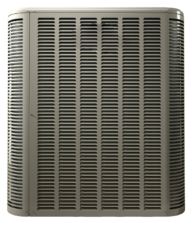
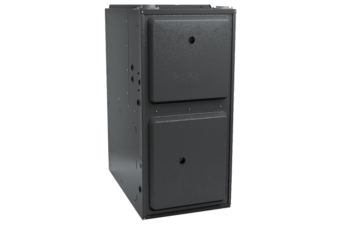
The choice between a heat pump and a furnace depends on your home’s heating needs, budget, and local climate. If you’re unsure which system is best, contact the experts at Direct Home Comfort to help determine the most efficient and reliable heating solution for your home.
Choosing the right high-efficiency furnace in Ontario isn’t just about price — it’s about long-term comfort, energy savings, and professional installation. At Direct Home Comfort, we make buying a furnace simple, transparent, and stress-free — from first consultation to final setup.
Upgrading to a new energy-efficient furnace shouldn’t strain your budget. With flexible payment plans, you can spread the cost of your furnace installation in Ontario into manageable monthly payments — making it easier to enjoy reliable, efficient heating without large upfront pressure.

Buying a furnace should never come with hidden costs. We provide transparent furnace pricing that includes equipment, installation, and support. You’ll know exactly what you’re paying for before work begins — no hidden fees, no unexpected add-ons.

Invest in your home with confidence. If you’re not fully satisfied within 30 days of your new furnace installation, we’ll work to make it right. Our goal is simple: deliver a buying experience that feels professional, smooth, and worth every dollar.

Your new high-efficiency furnace is backed by strong manufacturer warranties and supported by Direct Home Comfort. From installation day forward, your system is protected — ensuring dependable heating performance for years to come.

As a proudly Canadian, Ontario-based company, we understand the demands of real winters. Our team specializes in installing furnaces designed for Ontario homes, climates, and energy standards — delivering comfort that lasts all season long.






















Buying Isn’t Your Only Option
Upgrading to a new high-efficiency furnace in Ontario doesn’t have to mean paying everything upfront. Many homeowners choose flexible solutions that match their budget, financial goals, and long-term plans, while still enjoying improved comfort, energy savings, and reliable heating performance from day one.
Here are the most common options available:
Spread out the cost of your new furnace installation into predictable monthly payments that fit comfortably within your household budget.
Best For:
Flexible payment plans make upgrading to an energy-efficient furnace easier while keeping your home warm for homeowners across Ontario winters.
A furnace rental program allows homeowners to install a new heating system with lower upfront costs and service coverage often included.
Best For:
With furnace rentals, maintenance and certain repairs may be included depending on the agreement and service plan.
Optional HVAC protection plans provide additional coverage for furnace repairs, service visits, and select replacement components.
Best For:
Protection plans can help shield homeowners from surprise service costs during Ontario’s cold winter heating season.
Choosing between furnace financing, rental, or protection plans depends on:

Your overall budget and objective

How long you plan to stay in your home

Your comfort with upfront investment

Long-term energy savings goals
A professional consultation can help you compare the total cost of ownership vs rental over time.
Buying a new high-efficiency furnace in Ontario is a major investment. You deserve expert guidance, precise installation, and long-term reliability. At Direct Home Comfort, we deliver professional furnace installation services with transparent pricing, licensed HVAC technicians, and dependable performance — so your home stays warm all winter long.
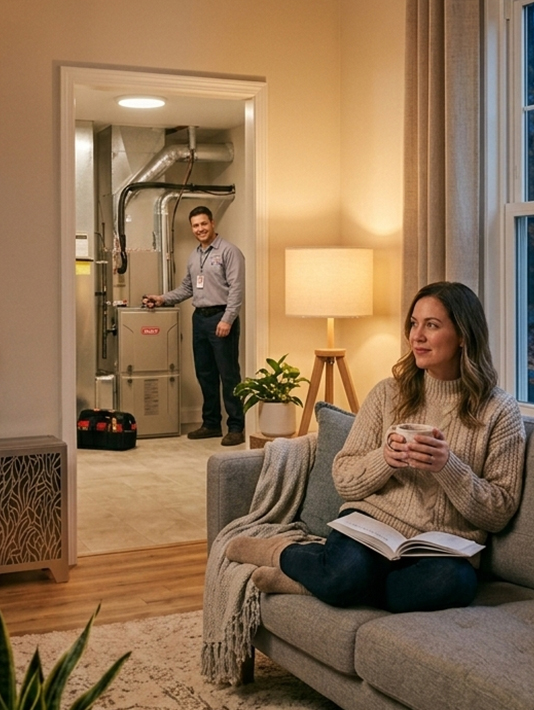
We install high-efficiency furnaces designed to handle Ontario’s extreme cold. From proper sizing to final system testing, every installation is engineered for performance, safety, and long-term durability.
Proper installation starts with accurate sizing. Our licensed HVAC technicians perform detailed heat load calculations to ensure your new furnace runs efficiently, evenly heats your home, and avoids costly oversizing or undersizing mistakes.
When you buy a furnace from Direct Home Comfort, you receive clear, upfront pricing that includes equipment and professional installation. No surprise fees. No last-minute add-ons. Just straightforward costs you can trust.
We install and service leading furnace brands in Ontario, including high-efficiency models built for modern energy standards. Whether you choose single-stage, two-stage, or variable-speed, your system will be professionally installed for optimal performance.
A furnace isn’t just about heat — it’s about safety, efficiency, and reliability. Our professional installation ensures your new system operates safely, meets Ontario building standards, and delivers consistent warmth for years to come.
Installing a new high-efficiency furnace is a professional, step-by-step process designed to ensure safety, efficiency, and long-term performance. When you schedule your furnace installation in Ontario with Direct Home Comfort, here’s exactly what happens.
Our licensed HVAC technicians arrive on time, review the installation plan with you, and prepare the work area. We protect your floors and surrounding space to keep your home clean throughout the installation process.
Your existing furnace is carefully disconnected and removed according to Ontario safety standards. Gas lines, venting, electrical connections, and duct transitions are handled professionally to ensure compliance and safety.
Your new energy-efficient furnace is positioned and connected properly. This includes:
Every component is installed according to manufacturer specifications and Ontario building codes.
We verify that your furnace is properly sized and calibrated for optimal performance. Airflow, temperature rise, combustion settings, and overall system efficiency are tested to ensure safe, reliable operation.
Before we leave, we perform comprehensive safety and performance checks, including:
Your furnace must pass all performance standards before the installation is considered complete.
We walk you through your new system, explain maintenance requirements, answer your questions, and review warranty details. You’ll understand how your new high-efficiency furnace operates before we leave.
Most standard furnace installations in Ontario are completed in one day. More complex installations involving ductwork modifications or venting upgrades may require additional time.
Even the best furnace will underperform if installed incorrectly. Professional furnace installation ensures:
Choosing experienced, licensed HVAC professionals is just as important as choosing the right furnace model.
A proper furnace installation is more than swapping equipment — it’s a precision process designed to maximize energy efficiency, airflow performance, safety, and long-term reliability. At Direct Home Comfort, every installation follows strict professional standards to ensure your new high-efficiency furnace performs at its best.
Correct furnace placement improves system efficiency and helps prevent long-term performance issues. Licensed HVAC technicians install furnaces in conditioned, protected spaces to reduce exposure to humidity, temperature swings, and unnecessary energy loss.
Proper placement helps:
Before installation is finalized, technicians verify that your furnace is correctly sized using Manual J heat load calculations. Proper furnace sizing in Ontario prevents oversizing and undersizing — two of the most common heating installation mistakes.
Correct sizing helps ensure:
Safety is a critical part of every professional furnace installation. During installation and startup, our certified technicians perform detailed, thorough testing to ensure the system operates safely and efficiently, insuring everything is as per code.
This includes:
Your furnace system can only perform as well as your ductwork allows. During installation, technicians inspect, seal, and adjust duct connections to prevent air leaks and improve overall airflow throughout your home.
Optimized ductwork delivers:
Your new furnace is fully integrated with your thermostat system to provide accurate temperature control and efficient heating performance. When appropriate, technicians can also recommend compatible smart thermostat upgrades.
Smart thermostat integration delivers:
Before installation is complete, technicians perform final system testing and ensure your manufacturer warranty registration is submitted. Homeowners receive a walkthrough of the new system, including maintenance tips on maximizing savings.
Final system checks include:
Upgrade your home with confidence. Request your furnace installation quote in Ontario and get expert guidance tailored to your home’s heating needs.
Choosing the right furnace installation company in Ontario is just as important as choosing the right furnace. Even the best high-efficiency furnace will underperform if it’s improperly installed.
When comparing HVAC companies, make sure they offer:
The best furnace for Ontario homes is typically a 95%+ AFUE high-efficiency two-stage or variable-speed furnace. Ontario’s long, cold winters demand heating systems that provide:
When choosing the best furnace, consider:
The right furnace isn’t just about brand — it’s about proper sizing and professional installation.
Avoid these common errors when purchasing a new furnace:
These mistakes can cost homeowners thousands in energy waste, repairs, and premature equipment failure. A properly sized, professionally installed high-efficiency furnace will deliver better comfort, lower heating costs, and long-term peace of mind.
Buying a new high-efficiency furnace in Ontario is only half the decision. The company you choose to size and install it will determine your system’s efficiency, lifespan, safety, and warranty protection. Here’s what homeowners should look for when selecting a professional furnace installation company.
The biggest installation mistake in Ontario homes is incorrect sizing.
A qualified HVAC company should perform a proper Manual J heat load calculation that considers:
If a contractor sizes your furnace based only on your old unit or square footage alone, that’s a red flag.
Correct sizing ensures:
Furnace installation involves gas lines, venting systems, electrical connections, airflow configuration, and combustion setup — all of which must meet strict safety and building standards.
Make sure your installer is:
• Fully licensed HVAC technician
• Experienced with Ontario building codes and safety regulations
• Trained on manufacturer installation specifications
Improper installation can void warranties, reduce heating efficiency, and create serious safety risks for your home.
When comparing furnace installation costs in Ontario, look for clear written quotes that outline:
• Equipment model
• Installation scope
• Permit requirements
• Warranty coverage
Avoid vague pricing or quotes that seem unusually low without explanation. Professional HVAC quotes should clearly detail equipment, labour, permits, and warranty protection so homeowners fully understand the total investment before installation begins.
A knowledgeable HVAC installation company should clearly explain the differences between common furnace system types, including how each performs in Ontario’s climate.
Experienced installers should understand:
• Single-stage furnaces
• Two-stage furnaces
• Variable-speed furnaces
Each system offers different levels of comfort, efficiency, and airflow control. A professional should recommend the right furnace based on your home’s heating needs — not simply what equipment happens to be available.
A new high-efficiency furnace is typically a 15–20 year home comfort investment, so long-term support matters just as much as installation quality.
Before choosing a contractor, ask:
• Who handles manufacturer warranty registration?
• Is labour warranty coverage included?
• Is post-installation support or maintenance available?
• Are extended protection or service plans offered?
Reliable HVAC companies stand behind their work with ongoing service, helping ensure your heating system performs safely and efficiently for years.
Buying a new high-efficiency furnace in Ontario is a major investment — and the right guidance makes all the difference. Whether you’re comparing single-stage, two-stage, or variable-speed furnaces, calculating proper sizing, or exploring rebates and financing options, our experts are here to help.
Direct Home Comfort provides professional furnace consultations, heat load calculations, and upfront installation quotes — so you can make a confident, informed decision with zero pressure.
Choosing the right furnace for your Ontario home involves more than comparing prices. Understanding performance, efficiency, operating costs, and long-term reliability helps you make a confident investment.
Explore these expert furnace buying resources before making your decision:
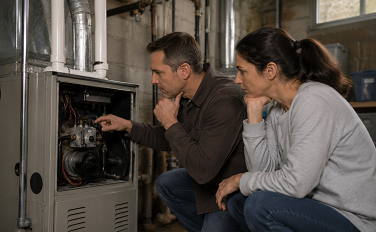
Before investing in a new system, learn the warning signs that indicate your current furnace may be nearing replacement. We break down age thresholds, rising energy costs and efficiency decline, so you know when upgrading makes financial sense.
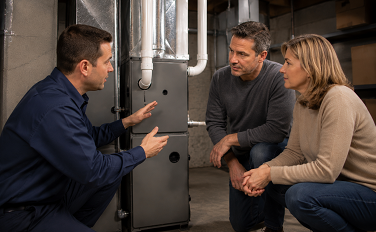
Not all furnaces perform the same. Discover the real-world differences between single-stage, two-stage, and variable-speed furnaces, including comfort levels, energy efficiency, noise reduction, and long-term operating costs in Ontario’s climate.
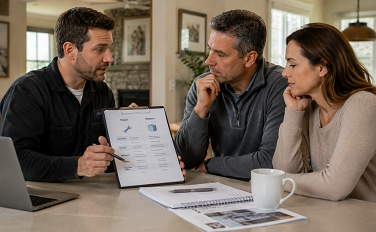
When a furnace begins to fail, homeowners often ask whether repair or replacement is the smarter investment. We outline cost comparisons, expected lifespan, warranty considerations, and efficiency gains to help you calculate the true long-term value.
A malfunctioning furnace in the middle of winter can quickly make your home uncomfortable and potentially lead to costly repairs. Before calling an HVAC technician, there are a few basic furnace troubleshooting steps homeowners can safely check. However, it’s important to understand that furnace repairs should only be performed by licensed HVAC professionals. Heating systems involve gas lines, electrical components, and combustion systems that require specialized training. If you are unsure about any issue, contact a qualified technician. At Direct Home Comfort, our licensed professionals provide expert furnace diagnostics, repair, and maintenance services across Ontario.
If your furnace is not starting, try these basic checks before scheduling service:
If the furnace still does not start, a licensed HVAC technician should perform a full system inspection.
Unusual sounds or smells from your home heating system can indicate a developing problem.
If you smell natural gas or strong burning odors, leave the home immediately and contact your gas provider. After the situation is assessed and declared safe, an HVAC professional can evaluate the furnace.
Common furnace noise causes include:
Addressing unusual noises early can prevent larger heating system repairs later.
Many homeowners notice furnace noise after moving into a new home or installing a new system. Often, the difference comes from the type of furnace technology installed.
A single-stage furnace operates at full power when running, which can produce more noticeable airflow and cycling sounds. Two-stage and variable-speed furnaces operate more gradually, delivering quieter and more consistent comfort.
Other causes of furnace noise may include:
Replacing the furnace air filter is a good first step. If noise continues, professional diagnostics may be required.
If your furnace is running but your home still feels cold, several common issues could be affecting performance.
Check the following first:
Restricted airflow is one of the most common reasons a furnace struggles to heat properly. If these steps do not resolve the issue, a technician can inspect the system for airflow problems, duct leaks, or heating capacity issues.
A furnace that frequently turns on and off — known as short cycling — can indicate a system issue.
Common causes include:
Short cycling reduces energy efficiency, increases wear on system components, and can shorten the lifespan of the furnace. A professional HVAC inspection is recommended if this issue continues.
Regular furnace maintenance is the best way to protect your heating system and avoid unexpected breakdowns.
Professional HVAC maintenance typically includes:
Most manufacturers recommend annual furnace maintenance, ideally before the winter heating season begins. Direct Home Comfort offers professional furnace maintenance services, heating inspections, and repair support across Ontario, helping homeowners keep their systems running safely and efficiently year after year.
Scheduling routine maintenance before winter ensures your furnace is ready for heavy seasonal use.
Homeowners should consider a professional furnace inspection if:
Regular inspections can extend equipment lifespan and help avoid unexpected furnace breakdowns during Ontario’s coldest months.

Buying a new high-efficiency furnace in
Ontario isn’t just about the sticker price.
Smart homeowners evaluate the full
lifecycle cost of ownership — including
energy usage, maintenance, repairs
and long-term performance.
When comparing furnace options,
consider:
The key question isn’t:
“How much does this furnace cost
today?”
It’s:
“How much will this furnace cost
me over the next 15 years?”

Ontario winters demand performance. The smartest buyers focus on long-term value — not short-term savings.
Before choosing a furnace, evaluate:
Upgrading strategically means selecting a system that improves:
✔ Energy efficiency
✔ Comfort consistency
✔ Noise reduction
✔ Home resale value
✔ Carbon footprint
The right furnace isn’t just a replacement — it’s an upgrade to your home’s performance.

Looking for reliable Ontario HVAC service, furnace repair, or air conditioner installation? Our licensed team is ready to handle all your heating, cooling, and HVAC needs. Contact Direct Home Comfort today for a free quote!
Get exclusive tips, expert advice, and the latest updates on heating, cooling, plumbing, and more — delivered straight to your inbox.



If you are not completely satisfied with your Direct Home Comfort product for any reason within 30 days of purchase, we will remove the product and refund the purchase price.
 FURNACE HELP
How To Tell If Your Furnace Is Reaching The End Of Its Lifespan
FURNACE HELP
How To Tell If Your Furnace Is Reaching The End Of Its Lifespan
 HOME COMFORT
Should You Upgrade To A Two-Stage Or Variable-Speed Furnace?
HOME COMFORT
Should You Upgrade To A Two-Stage Or Variable-Speed Furnace?
 OWNERSHIP OPTIONS
Flexible Ownership & Payment Options: Which Option Saves More Long-Term?
OWNERSHIP OPTIONS
Flexible Ownership & Payment Options: Which Option Saves More Long-Term?